Have you ever noticed how the kitchen—the heart of the home—is also ground zero for some of our biggest parenting tests of patience?
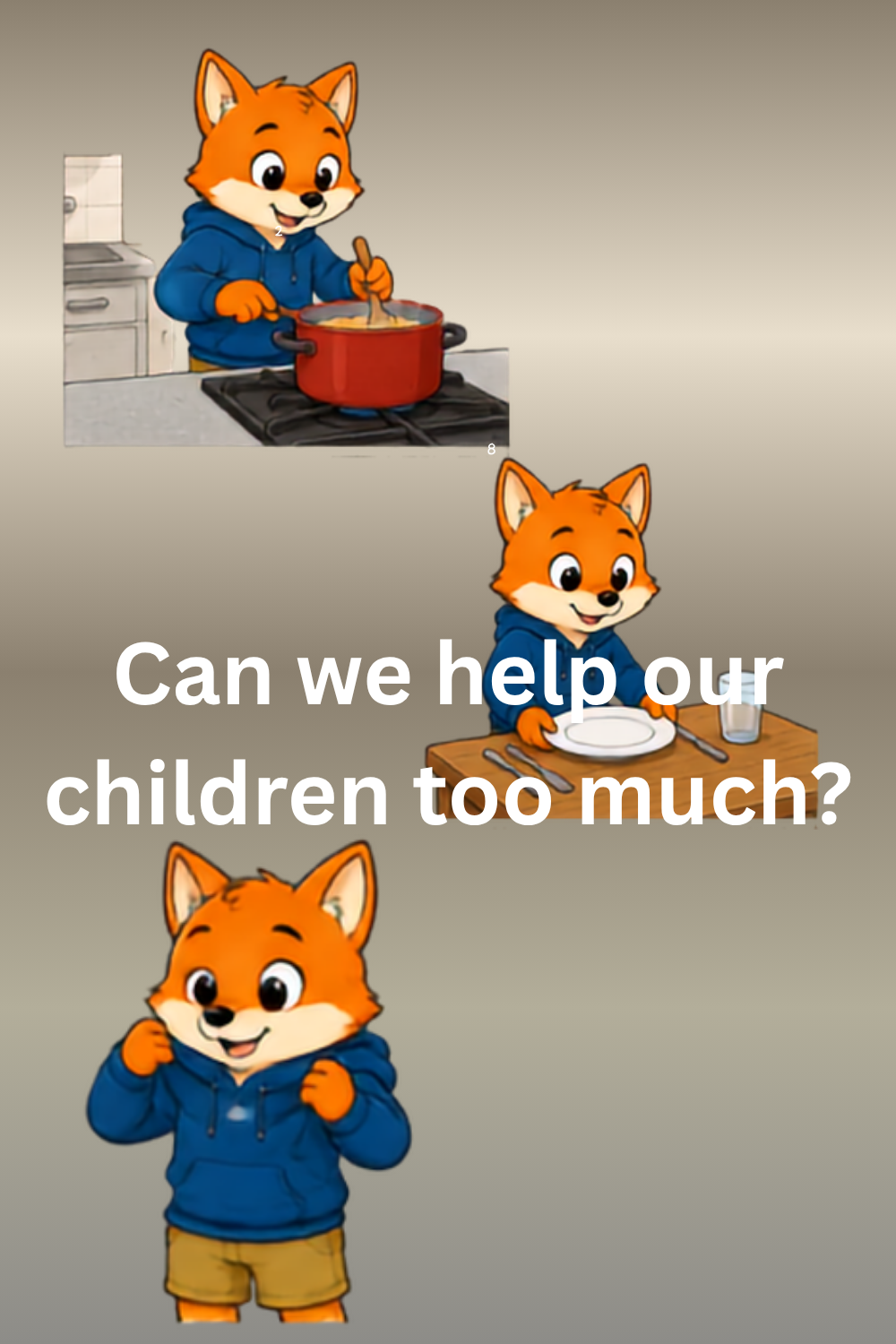
We want our kids to be independent, but letting them serve themselves can feel like an invitation for chaos. Yet, every sticky counter and overturned jar is actually a building block for real life skills.
This Week at the Forest Bus Stop
(Overheard while waiting for the morning pickup…)
Big Bear: Morning, Badger! You’re looking extra caffeinated today. Everything okay at breakfast?
Big Badger: Oh, Bear… I tried letting Little Badger spread his own cream cheese on a bagel today. There is now cream cheese on the toaster, the floor, and somehow behind his left ear.
(I had to hide a smile behind my coffee cup. We’ve all been there! Letting little hands handle food is messy work, but man, the pride on their faces when they manage it is worth every paper towel.)
Story From the Trail
My kids have a hilarious, deeply serious obsession: they love olives. All olives. Black, green, kalamata, stuffed—you name it. They actually take the time to select the specific “type” of olive that best pairs with whatever meal we’re having. There is always a preferred olive for the occasion!
Because we encourage kitchen independence, everyone gets to serve their own olives. Now, if you’ve ever tried to get an olive out of a jar, you know those things are packed tightly in there. It’s hard enough for an adult to pull out just one (or three, if that’s your goal!). Normally, when the kids serve themselves, the only outcome worth noting is that they take about four times as many olives as I would have given them.
But the other night was taco night, and we had an incident.
One of the kids was trying so hard to free an olive from a freshly opened jar. Too much force was used, the spoon slipped, and the entire jar fell over, spilling olive brine and olives all over the table and floor.
The room went totally silent. The look of sheer shock and heartbreak on the kids’ faces was so real. They stood there completely frozen, waiting to see how the room would react to the great taco night olive disaster.
Field Notes
That taco night olive spill reminded me of a huge truth about kitchen independence for young children: spills aren’t failures; they’re the price of admission for learning.
It would be so much easier (and cleaner!) for us to just dish out every item onto their plates ourselves. But when we allow kids to serve themselves—even tricky things like tightly packed olives—we give them space to build fine motor control, practice spatial awareness, and learn how much force is “too much.”
My key takeaway was how important our reaction as parents is in that split second after an accident. When the jar knocked over, my kids weren’t being reckless; they were just working through a tricky physical problem. By staying calm, helping them clean up the brine, and salvaging what we could, we showed them that making a mess isn’t the end of the world. It’s just part of learning how to handle things yourself.
Trail Marker
Here is what to observe in the kitchen this week:
- Watch for: The look on your child’s face right when a small spill or kitchen mishap occurs.
- Observe: Do they look up at you with fear or shock, or do they pause calmly and reach for a napkin? How does your reaction shape their next move?

10 Minute Side Trail
Here is a super simple, low-stress activity you can try at breakfast or snack time to build confidence at the table!
- Skill: Pouring Cereal
- Age Range: 1–6 years old
- Domain: Kitchen Independence
- What You Will Need:
- A small, lightweight plastic pitcher or measuring cup
- A small bowl
- A handful or two of dry cereal (like Cheerios or Chex)
- Steps:
- Pre-Measure: Pour a small, manageable amount of dry cereal into the small pitcher (don’t fill it to the top!).
- Set the Stage: Place the bowl on a non-slip mat or flat table right in front of your child.
- Demonstrate the Grip: Show them how to hold the pitcher handle with their dominant hand while supporting the side with their other hand (“Two hands for steady pouring!”).
- The Pour: Let them tip the pitcher and guide the cereal into the bowl at their own pace.
- Clean the Escapees: If a few pieces bounce onto the table, encourage them to use their “pincer fingers” (thumb and pointer finger) to drop them back into the bowl.
- Success Looks Like: Your child using two hands to control the pitcher, keeping most of the cereal inside the bowl, and calmly picking up stray pieces without frustration.
- Next Skill: Pouring Milk into Cereal (taking on liquid control!).

Fox Discovery Trail
After trying out the cereal pour or helping with meals, sit down for a quick cozy check-in over snack time:
- What did you discover today?
- What helped you?
- What was the trickiest part?
- What would you try next time?
- What are you proud of?
Little Fox & Big Fox After Trail
(Fresh off the trail after trying our cereal pouring activity…)
Big Fox: Alright Little Fox, now that you poured your own cereal into the bowl… what did you discover today?
Little Fox: I discovered that one Cheerio rolled all the way under the toaster! He’s hiding.
Big Fox: (Laughs) He sure is! But what helped you pour the rest of them into the bowl?
Little Fox: Using two hands! Like a big monster lifting a heavy rock!
Big Fox: Exactly, two hands keep it steady. What was the trickiest part?
Little Fox: I don’t know… hey, look, there’s a bird outside the window! Is he eating a Cheerio too?
Big Fox: Maybe he is! Last question, buddy: What are you super proud of?
Little Fox: I’m proud that I didn’t spill the milk!
Big Fox: (Smiles) But we didn’t even pour milk today, we just poured dry cereal!
Little Fox: I know! That’s why I didn’t spill it!
Big Fox: (Sips coffee) Hey, logic checks out! Good job, buddy.
Nearby Trails
Want to make kitchen independence easier on your nerves? Decant tricky items before mealtime! Put liquids into tiny cream pitchers and transfer tight items (like olives or pickles) out of deep jars and into low, wide bowls with small tongs. Smaller tools make big wins so much easier for tiny hands!
Forest Committee Minutes
(Inside the parent council brain)
Big Bear: Look, I still say serving the olives for them saves ten minutes of cleanup and three paper towels. Efficiency!
Big Badger: But Bear, if we always serve the olives, they’ll never learn how much muscle to use! When Little Badger knocked over the jar, sure it was messy, but he learned how to handle a slick glass jar.
Wise Owl: Adjusts glasses. Indeed. Allowing children to participate in food preparation and self-serving builds hand-eye coordination, fine motor strength, and self-efficacy. Experiencing minor, non-hazardous consequences—like a spill—teaches natural cause-and-effect.
Squeaky Squirrel: (Scribbling furiously on a pad) Right, right… but what do I do about the olive brine smell soaked into the table runner?!
Wise Owl: You gently involve the young squirrel in wiping down the table, reinforcing that cleanup is simply the final step of meal preparation.
Big Badger: Exactly! Hand them a cloth, pour another cup of coffee, and let those little chefs keep practicing!