Blog

  • How to teach a child to share and the importance of caring.

    How to teach a child to share and the importance of caring.

    When I sat down to look deeper into toddlers and sharing I was shocked and confused by the fact this is a 4 year old milestone. It is stated the child isn’t capable of it until at least 3.5 years old. How to teach a child to share when voluntarily giving food to their caregiver isn’t sharing? This is happening in the first year of life and shows the importance of caring. If the definition of sharing is giving a toy to someone else whenever they want it… I still haven’t mastered it.

    Why sharing is important

    To begin with why sharing is important is because it strengthens relationships. For instance when the 9 month old tries to put the Cheerio in your mouth they are saying ‘I know, like and trust you’. This is spontaneous sharing and the type that we want to encourage. You can see this sharing happen in play as well. Completely unprompted a child will walk over to another child often without saying a word and give them a toy then walk away.

    Sharing also teaches many communication skills. This is our child’s first attempts at negotiation, expressing understanding, and how to act in various social settings. I have found one of the best ways to navigate ‘sharing’ before they are developmentally ready for it (i.e. toddler years) is to have three simple rules.

    1. We do not take things out of other peoples hands

    2. Adults do not solve disputes about toys for children

    3. If another child asks for a toy respond to themselves

    And I will tell you what… they resolve the issue between themselves. Sometimes the 2 year old will say ‘Yeah sure’ and hand the toy over sometimes they will say ‘no’. But interestingly when they are finished with the toy they bring it to the child that asked. This is far from perfect but steps in the process of spontaneous sharing.

    Learn to share

    The first step to learn to share is for parents to release the worry about what other parents think. What a joke right! If we can look at sharing as a social interaction between two children that does not need adult involvement then the pressure of performance is released.

    Next provide lots of opportunities to share. Some everyday examples would be to color a picture next to them and ask to borrow a crayon. When you are cooking offer to let them have a turn stirring. Ask if you can play with a toy next to them.

    Model the behavior. When a stranger asks to borrower your truck just say yes and give them the keys. Then when your child has a stranger ask to borrower their truck they will hand it over and you don’t need to be embarrassed. How to teach a child to share when sharing looks different as an adult.

    Why sharing is important

    Toddler not sharing

    Ask your child if you can have a bite of their dinner. I’m going to guess most likely they said yes and gave you their food. This is real genuine sharing. When you find your toddler not sharing ask yourself a few questions

    1. Is my child actively using the item?

    2. Does my child have a relationship with this child?

    3. Am I worried about myself or the child right now?

    4. Do I trust my child to resolve the situation?

    5. Why sharing is important right now?

    If in general your child lacks social skills and does not notice social queues pushing sharing in the toddler years will not solve these issues. Instead role play with them how to tell the other child not right now appropriately. Remember the importance of sharing comes in communication, relationships, and learning to understand social queues. There are a variety of ways we can work on these and it doesn’t have to be sharing everything. You and I both wouldn’t do that.

  • Self Feeding Toddlers: How to make it simple not scary

    Self Feeding Toddlers: How to make it simple not scary

    Self feeding wasn’t even a thought that crossed my mind with my first child. At the time I was young, clueless, and broke when I had my first child. At the time I made so many choices based on marketing and poor information provided from programs like WIC. I do believe the information provided now days is a whole lot clearer and more accessible. But at the time I was under the impression that you needed special kids food to feed children and I consulted the grocery store isle. What I didn’t know was I was spending extra money I didn’t have on food that wasn’t serving my child.

    Toddler Self Feeding Tips

    Toddler self feeding can be such a messy process. At first every meal time means a bath, fresh cloths, and hosing down the dining room. Okay maybe that’s a bit dramatic but it feels that way. In reality you do need to prepare for the mess and accept it. One of the best ways how to teach toddler self feeding is by allowing them to practice. A positive self feeding tips for toddlers is to have a clean outfit and towel prepared ahead of time.

    The benefits of self feeding includes a long list of items like fine motor development, spacial reasoning and awareness, sense of self in relation to the world. The most important part for your toddler is they naturally stop when full. When your toddler stops eating try not to insist on one more bite unless you have already been advised by a doctor they need more calories.

    Independent Eating

    There comes a time when self feeding toddlers turn into independent eating toddlers. Self feeding turns into independent eating when some self feeding milestones have been hit. Your child can reliably use the utensil to consume enough food until full. Independent eating is when your child has a more active part in mealtimes. This can include asking for more food and serving themselves.

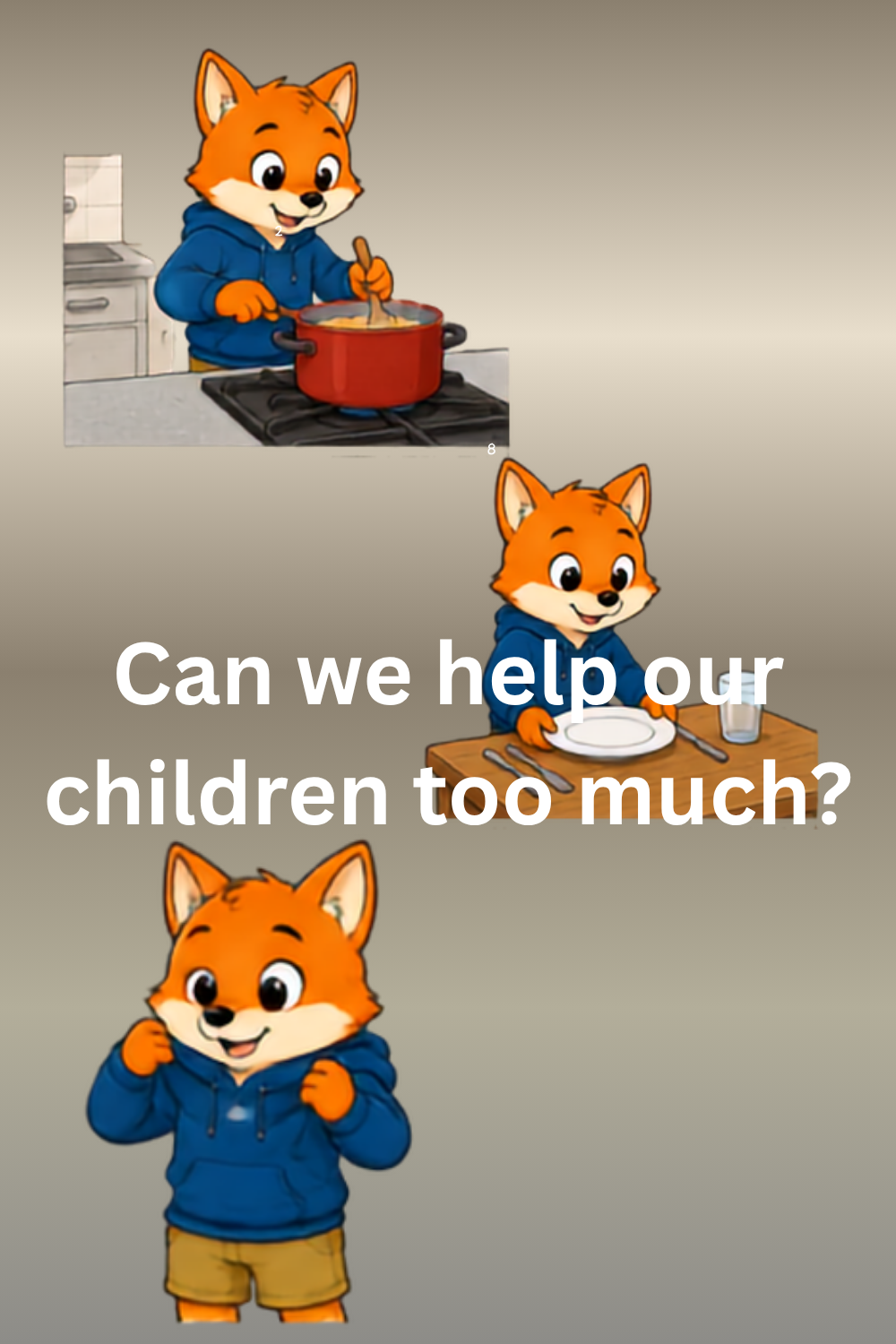
    In my house this is when they can help set the table, serve food and drinks, ask for more, clear the table and wipe down after meals. This typically occurs by the age of 2 but they might only assist with one item. By the age of 3 they can help with the whole process. I have found this makes our children a bit more excited about the mealtime.

    Toddler Self Feeding Meals

    Toddler self feeding tips start with how you feel about toddlers eating. Personally I would avoid thinking of anything as a toddler meal. If there is food that I wouldn’t eat then I don’t really want to be feeding it to my children. There are days we do eat the typical french fry, chicken nugget, macaroni and cheese. Kids need nutrient dense food just like adults and they will be able to enjoy flavors in your families meals… in time.

    What do 2 year olds eat? Some of whatever you feed them. What are eating habits for 2 year olds? They will insist on a favorite food one day and reject it the next. An important caution during the toddler years is to manage your reactions when our children eat food (or don’t). Our reaction to how much or which items can have negative effects on how they view food and meal times. Provide plenty of nutritious food and trust your child.

    Toddler Self Feeding Tips

    Toddler Eating Schedule

    It is currently agreed upon that toddlers should be offered 3 meals and two snacks a day. It is understood that the child is being offered these but will not always eat all of them. And that is perfectly fine. If dinner happens to be the meal they do not eat then you are not sending them to bed without dinner. There is a difference between self choice and denying food. In my house we often follow a breakfast, snack, lunch, dinner, snack pattern because eating an early dinner fits into our lifestyle.

    A typical feeding toddler menu for the day can look like this

    Breakfast:

    ¼ cup plain yogurt with blueberries and granola (great protein/fiber start).

    Snack:

    ½ apple with peanut butter and 1 cup of milk (provides healthy fats).

    Lunch:

    1 oz cheddar cheese, or cottage cheese 5 crackers, turkey slice, and ¼ cup broccoli (balanced protein and carbs).

    Snack:

    Cucumber slices with yogurt dip or hummus (hydrating and healthy).

    Dinner:

    1 oz salmon with ¼ cup sweet potatoes (packed with omega-3s and vitamins).

    Toddler refuses to eat anything

    If your child is actually refusing to eat anything all day or losing weight consult your child’s doctor. But typically when we say ‘my child refuses to eat anything’ we are talking about something completely different. Often this refers to how we feel about what the child is eating or their demands for specific foods. Most likely if your child at some part of what was on their plate at most meals they are okay.

    How to get a child to eat when they refuse.

    Don’t. When your child refuses to eat anything don’t try to get them to eat. Again if there are health concerns that are stopping your child from being able to eat consult your child’s doctor. Pay attention if there are consistently certain textures, smells, or temperatures they do not want to eat. It is important to keep the eating refusal pressure free and without comment. Do not gossip about the eating struggles with others while your toddler is around.

    Why is my toddler not eating all of the sudden?

    The development of toddlers can seem like a mystery to us parents. Verify your child is still as active as normal and generally acting like themselves. Sometimes eating less can happen because of teething or sickness. Generally the reduced amount of eating comes when our toddlers are trying to develop a new skill. This can appear as I toddler not eating anything but their focus is outside of mealtime.

    How do you get a picky child to eat?

    First notice if there is an underlying reason your child seems to be a picky eater. Is there a sensory concern and you can change the texture of the food? Typically repeated exposure to a variety of foods in a non pressured environment gives toddlers the ability to work through new flavors and textures.

  • What Dressing Milestones Do Independent Toddlers Need

    What Dressing Milestones Do Independent Toddlers Need

    There are many dressing skills that children need to meet within dressing milestones. These come from basic everyday curious moments our children have. Providing ample opportunities for diverse movements and coordination practice will improve toddlers ability to dress themselves.

    Dressing Milestones

    Dressing skills

    Dressing skills start with body awareness. Well before your child attempts to put a shirt on themselves they need to gain awareness of self. Dressing skills by age 1 can include removing socks. This movement includes pincer grasp, intentional movements of legs and feet, and importantly the knowledge there are socks on their feet. During this period your child will also begin to push their arms through the sleeve of a shirt.

    Fine motor skills and coordination are an important part of moving to more advanced dressing skills. Dressing skills by age 2 can include fine motor skills as well as balance which will include pinching and pulling pants while staying upright in a seated position. Toddlers are increasing their awareness of their body, movements, and gaining strength. Providing many ways for your toddler to manipulate their bodies to gain strength and coordination will increase their ability for self dressing. Backward chaining is a good method to teach skills at this stage. With this method you will complete all but the final step as the child increases their ability to complete more of the process.

    Dressing activities for 3 4 year olds

    By the time our children are 3 they are beginning to self dress and can have a wide range of abilities and met dressing milestones. Quiet Books or Montessori Dressing Frames are a good way for preschool age children to practice tricky fine motor skills. These activities will include buttons, lacing, and zippers.

    Provide opportunities to determine right from left shoes.

    Dressing Skills

    Dressing skills milestones

    • Undressing
      • Socks – Generally the first item to be undressed and many socks will go missing!
      • Hats – Removing hats is a close second. This can get very frustrating during winter months.
      • Shirts – Removing shirts can be a complicated process. Be as consistent as possible when assisting so the child can mimic the process.
      • Pants – Pulling down pants is an important step of the toilet training process.
      • Underwear – Typically by the time they are wearing underwear they have already mastered removing their pants. Often this skill is easier to grasp as they have already built a like skill.
      • shoes – Removing shoes can go right along with moving socks.
    • Dressing
      • Socks – It takes practice to put socks on so the heel is on the bottom.
      • Underwear-
      • Shirts – The first step learned when putting on the shirt you will see is pushing an arm through while dressing your toddler.
      • Pants –
      • Jackets – The jacket flip is a process which many toddlers use to learn to put on jackets. Lay jacket on the ground with head towards feet. When you put your hands through the sleeves flip the jacket overhead.
      • Shoes – There are so many challenges with shoes! Between choosing the right foot, laces, and holding the tongue.
      • Hats – Hats can be fun to practice with. This is a good step to learning where head is in relation to body to assist with other dressing skills.
    • Fasteners
      • Buttons – Practicing buttons can start with putting a coin into a slot. Then progressing to large then small buttons.
      • Snaps – Having a strong pincher grasp takes a lot of work! When they figure it out snaps are a great option.
      • Velcro – This fastener is easy to learn and provides quick wins.
      • Lacing –
      • Tying – Shoe tying is so tricky! This is a skill to use Back Chaining on. Always talk through the whole process then let them complete the final step. When they have a hang of that add the prior step.
      • Belts – Weaving? Pulling? The most complicated part is not being able to see clearly. Practice first where the buckle is clearly visible.
  • When Toddler Independence is the Solution for Parenting Problems

    When Toddler Independence is the Solution for Parenting Problems

    Toddler Independence Stage

    The toddler independence stage occurs throughout the whole toddler period. Toddler and independence go hand in hand. Toddlers are supposed to assert their independence.

    When thinking about toddler independence it is important to think about an independent child definition. An independent child will be able to problem solve for themselves, self advocate when there is need, desires to learn and grow, resilience, and is able to self regulate their emotions. OUR TODDLERS ARE NOT THERE… Yet.

    Independence is a skill that toddlers begin to work on after their first birthday. This is a long game and it is hard. Keep in mind the child is doing the hardest work while we work on our patience.

    Toddler Independence

    How to teach toddler independence

    A easier way to look at this is how to encourage toddler independence stage. The first step is to observe the toddler wanting independence. Then provide opportunities for the toddler to be showing independence.

    One way to see a toddler wanting independence is the attempt to dress or undress, feed themselves, and they start to tell you ‘no’. This is the period where you are struggling with terrible twos.

    How to encourage independence in your child starts with assuming your child is capable of more than you think. When seeing your toddler struggle with a new skill resist the urge to help. If yesterday they put a leg in their pants let them try to put the second leg in.

    Set up their environment to allow the child to practice skills. Keep towels for cleaning spills accessible. Have the child’s spoon, plate, and cup at a level they can reach. Practice the “I do, We do, You do” method for skill building. This method will slowly and appropriately transition responsibility of tasks.

    Toddler Independence Skills

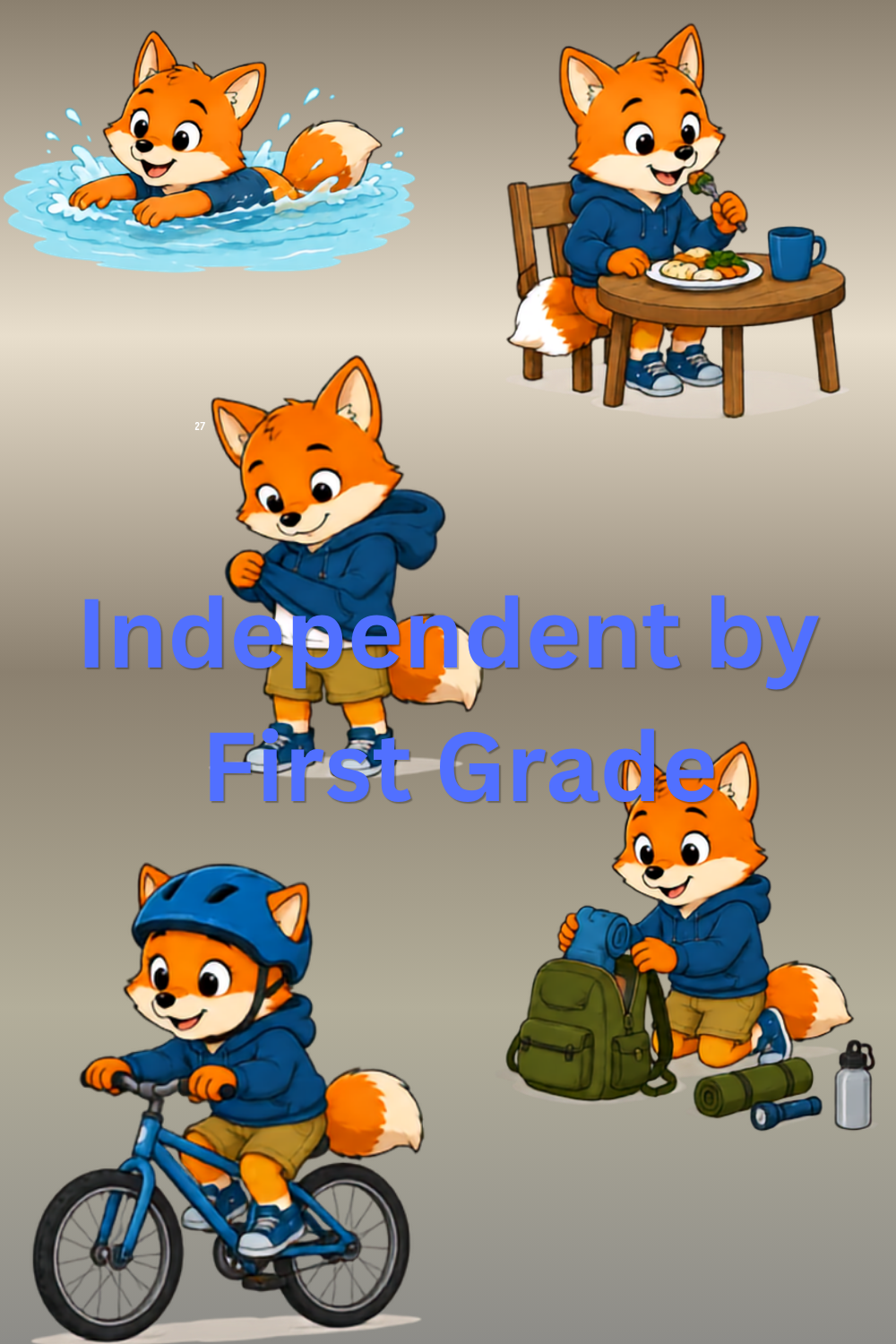
    • Self dressing
    • Self feeding
    • Sharing
    • Self advocacy
    • Brush teeth
    • Wash Face
    • Wash Hands
    • Brush Hair
    • Pick up toys
    • Make bed
    • Fold wash cloths
    • Fold Socks
    • Clean spills
    • Making choices (limit to two options)
    • Using toilet
    • Set table
    • Clean table after meal
    • Pour drinks
    • Mixing and measuring ingredients
    • Understanding and following safety rules

    Toddler independence tantrums

    Many toddler tantrums start with the toddlers desire for independence. We all experience how challenging it is when our skills and desires do not align. Toddlers have an additional disadvantage where they have not learned coping skills to manage the frustration. Practicing coping skills ahead of the tantrum can help your child work through it. The more practice that occurs the more your child can work through their situation.

    Toddler independence activities

    • Setting table
    • Building block towers
    • Coloring on plain sheets of paper
    • Picking book to read
    • Helping with laundry
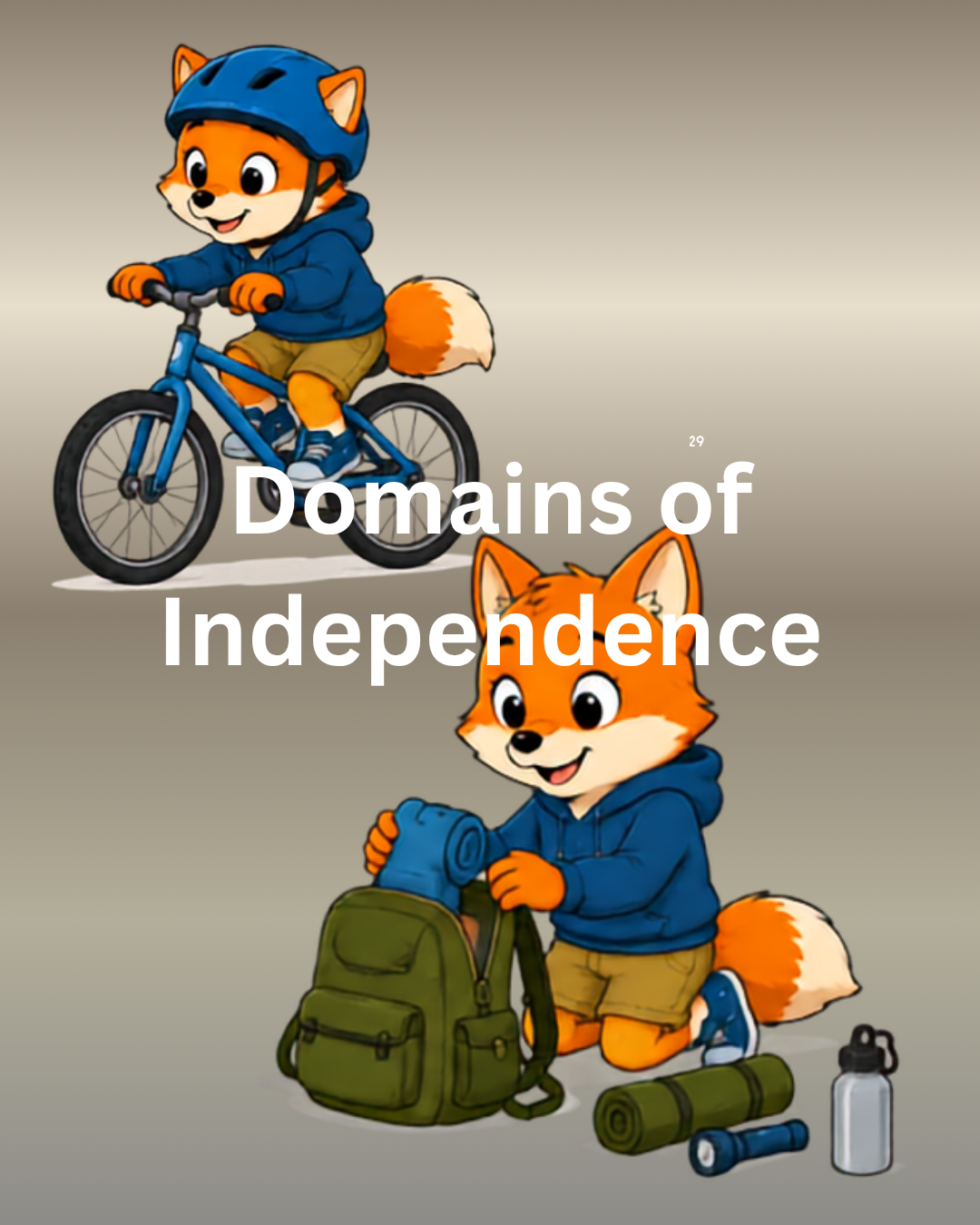
    • Ride balance bike
    Toddler Independence Stage

    Toddler independence checklist

    • Set up the environment
    • Prepare for tantrums and meltdowns
    • Follow I do, We do, You do
    • Allow mistakes
    • Practice skills

    Activities to promote independence in toddlers

    • Change diapers in bathroom and allow a pressure free attempt to use toilet
    • Let child pick out clothes the night before
    • Help with cooking meals
    • Follow routines
    • Provide ‘Yes’ spaces

    Toddler too independent

    When you have a very independent toddler you will find other adults are uncomfortable. Your child is expanding their understanding of what a small child is capable of. Adults tend to try saving children they see from doing hard things and knowing what to do is a challenge. When help is offered or often just given a good approach is to simply state ‘no thank you, I trust this child is capable’. You will get looks and strange comments from time to time. What you are reinforcing with the child is that you believe they can do hard things and don’t need to be saved. This will show them how to approach these situations in the future.

    When a 3 year old wants to do everything herself. Let them. As much as reasonably possible. It takes longer and can be very frustrating but let them anyway. Often preparing ahead of time helps. If getting out the door on time is tough prepare the night before by setting clothes out the child can put on themselves, prepare breakfast portions to be served themselves, and packing backs to be set by the door or in the car.

    Activities to promote independence in toddlers

    How to deal with toddler independence

    Okay so its true having an independent toddler can be frustrating. They take forever, things get messy, and other people are trying to save your child all the time. Parents who encourage independence make it through the toddler year melt downs sooner and with less parental burnout.

    How to foster independent play in toddlers

    Start the day without tablets, TV, or any toys that need batteries. When the toy is doing the entertaining for you, you are not building independent play skills. Leave toys out without providing direction. Limit the number of toys available to play with. When children are not being entertained, directed, or overwhelm ed they feel the freedom to try new and harder things.

  • Toddler Building Activities: Promoting skill development

    Toddler building activities provide hours of enjoyment and skill building. Building toddlers confidence happens when they have the chance to problem solve independently.

    Building Toddlers Confidence
    Toddler Building Sets

    When given the chance toddlers naturally enjoy toddler building activities. Providing different building toys for your toddler will promote growth in fundamental skills. Toddler building toys will teach spacial reasoning, cause and effect, gross and fine motor skills and increase confidence. This article will discuss toddler building toys and toddler building activities.

    Toddler stacking blocks are an easy introduction to building activities for even the youngest toddlers. These toys are typically the first building toy used as they are the perfect size for little hands. Initially toddlers use these toys to build short towers balancing one block on top of another. With plenty of opportunities for free block play other structures with be created. Building blocks do come in different materials such as wood and foam. Some building block kits include shapes like circles, triangles, and arches.

    Toddler building blocks are another fun option for toddlers to express their building creativity. Mega Bloks and Duplo are two popular options for this style of building toy. While they are initially struggling to connect the pieces toddlers are working on spacial reasoning, problem solving, fine motor skills, and resilience.

    Toddler Building Activities

    Blanket forts provide ample opportunity for imagination. You can purchase easy to set up childrens play tents which can be exciting and look very cute in their room. They do not provide the same opportunities as a classic blanket fort. Watching your child work through the problem of the roof coming down. Or the day they build a second room for their little sister. You cannot get that with a purchased play tent.

    After providing many opportunities for your child to explore building all you need to do is sit back and watch.

  • How to Enjoy Your Toddler Years Age.

    Are you enjoying the toddler years age? Do the two’s need to be terrible? Where did my threenager learn this stuff! Strangers always commenting “You’ve got your hands full.” Toddlers really get a bad rap. This article will discuss various ways to ease some frustration during the toddler years age.

    Preparation for the toddler years age

    First of all there will be spills and meltdowns. Its a fact. Knowing how to prepare for them is extremely important.

    Your toddler’s receptive language is not at the same level the same as their expressive language. Because of this many meltdowns originate with our toddler not being able to express their needs and be understood. A simple way to help is to have pictures available for your toddler to point to.

    After they point to the picture respond as if the request was vocalized. “You would like a glass of milk.” Sign language for common requested items is very helpful and another great option.

    Toddler Years Age

    Independence for toddlers

    Also keep in mind an important part of the toddler life is independence. Encourage independence at every opportunity.

    Let them have the chance to put on their pants. Yes, they will be backwards often. Resist the urge to correct them initially.

    Toddlers are developmentally at a point where they are looking to be independent.

    Let the child lead in the toddler years

    Practice letting the child lead (sometimes) and just watch them.

    That is to say put the phone down. Turn off the TV or tablet. Don’t narrate everything that happens (there is a time for that). Don’t try to entertain or optimize the moment. Give the child a chance everyday to be free to explore.

    How to survive the todder years

    Practice and scaffold new skills

    Use the scaffolding system when it comes to new skills. If you take a step back and watch without helping at the first sign of struggle you will see exceptional problem solving skills. Praise the hard work and creative solution!

    Above all accept where your toddler is and provide lots of opportunities to practice skills. Let the child clean the spill and accept it wont be perfect. Because you know they will happen prepare the space with towels the toddler can use to clean up.

    The toddler years age can be full of joy and frustration. Toddlers who have the chance to explore their world and plenty of opportunities to try new things thrive.