
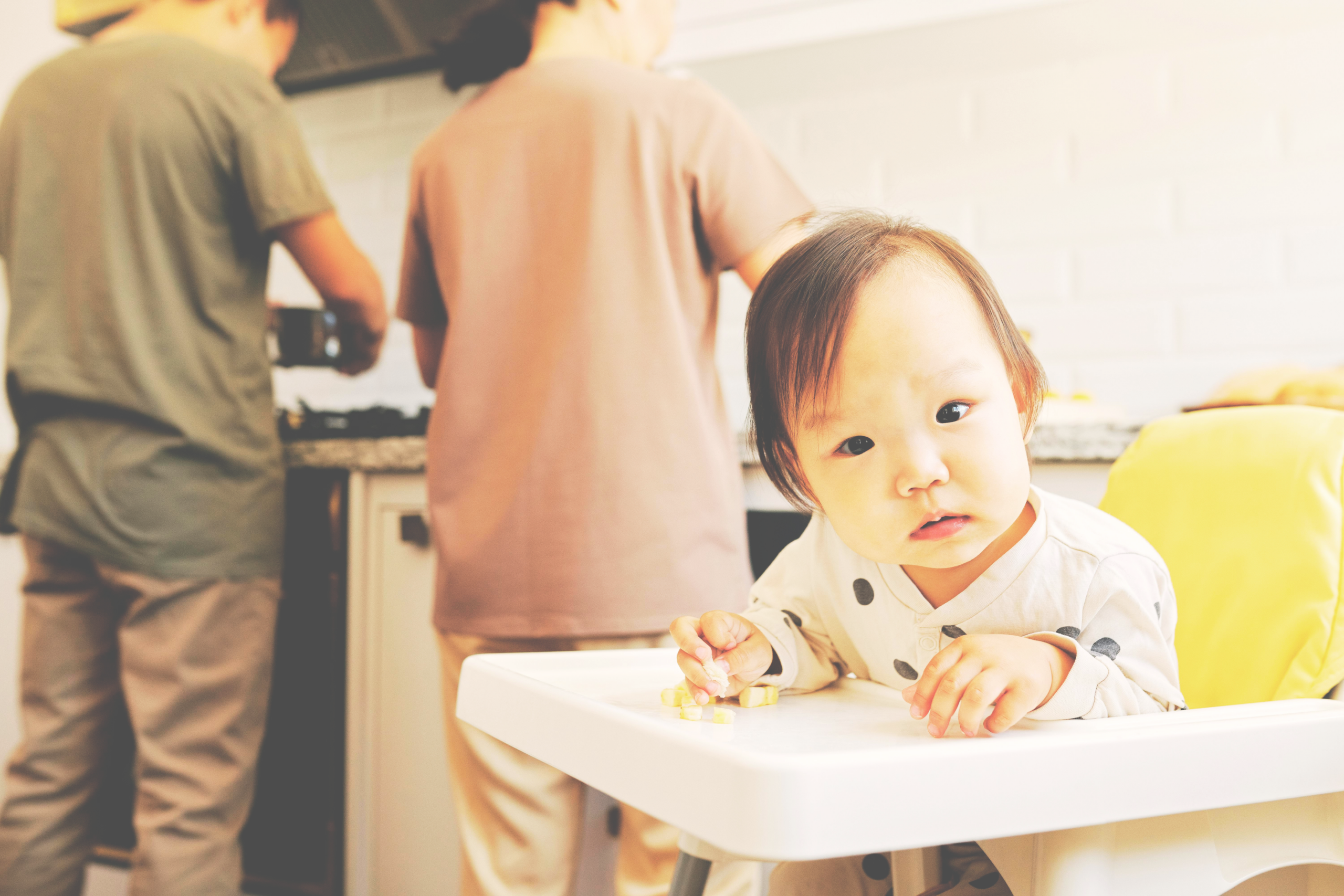
Self feeding wasn’t even a thought that crossed my mind with my first child. At the time I was young, clueless, and broke when I had my first child. At the time I made so many choices based on marketing and poor information provided from programs like WIC. I do believe the information provided now days is a whole lot clearer and more accessible. But at the time I was under the impression that you needed special kids food to feed children and I consulted the grocery store isle. What I didn’t know was I was spending extra money I didn’t have on food that wasn’t serving my child.
Toddler Self Feeding Tips
Toddler self feeding can be such a messy process. At first every meal time means a bath, fresh cloths, and hosing down the dining room. Okay maybe that’s a bit dramatic but it feels that way. In reality you do need to prepare for the mess and accept it. One of the best ways how to teach toddler self feeding is by allowing them to practice. A positive self feeding tips for toddlers is to have a clean outfit and towel prepared ahead of time.
The benefits of self feeding includes a long list of items like fine motor development, spacial reasoning and awareness, sense of self in relation to the world. The most important part for your toddler is they naturally stop when full. When your toddler stops eating try not to insist on one more bite unless you have already been advised by a doctor they need more calories.
Independent Eating
There comes a time when self feeding toddlers turn into independent eating toddlers. Self feeding turns into independent eating when some self feeding milestones have been hit. Your child can reliably use the utensil to consume enough food until full. Independent eating is when your child has a more active part in mealtimes. This can include asking for more food and serving themselves.
In my house this is when they can help set the table, serve food and drinks, ask for more, clear the table and wipe down after meals. This typically occurs by the age of 2 but they might only assist with one item. By the age of 3 they can help with the whole process. I have found this makes our children a bit more excited about the mealtime.
Toddler Self Feeding Meals
Toddler self feeding tips start with how you feel about toddlers eating. Personally I would avoid thinking of anything as a toddler meal. If there is food that I wouldn’t eat then I don’t really want to be feeding it to my children. There are days we do eat the typical french fry, chicken nugget, macaroni and cheese. Kids need nutrient dense food just like adults and they will be able to enjoy flavors in your families meals… in time.
What do 2 year olds eat? Some of whatever you feed them. What are eating habits for 2 year olds? They will insist on a favorite food one day and reject it the next. An important caution during the toddler years is to manage your reactions when our children eat food (or don’t). Our reaction to how much or which items can have negative effects on how they view food and meal times. Provide plenty of nutritious food and trust your child.

Toddler Eating Schedule
It is currently agreed upon that toddlers should be offered 3 meals and two snacks a day. It is understood that the child is being offered these but will not always eat all of them. And that is perfectly fine. If dinner happens to be the meal they do not eat then you are not sending them to bed without dinner. There is a difference between self choice and denying food. In my house we often follow a breakfast, snack, lunch, dinner, snack pattern because eating an early dinner fits into our lifestyle.
A typical feeding toddler menu for the day can look like this
Breakfast:
¼ cup plain yogurt with blueberries and granola (great protein/fiber start).
Snack:
½ apple with peanut butter and 1 cup of milk (provides healthy fats).
Lunch:
1 oz cheddar cheese, or cottage cheese 5 crackers, turkey slice, and ¼ cup broccoli (balanced protein and carbs).
Snack:
Cucumber slices with yogurt dip or hummus (hydrating and healthy).
Dinner:
1 oz salmon with ¼ cup sweet potatoes (packed with omega-3s and vitamins).
Toddler refuses to eat anything
If your child is actually refusing to eat anything all day or losing weight consult your child’s doctor. But typically when we say ‘my child refuses to eat anything’ we are talking about something completely different. Often this refers to how we feel about what the child is eating or their demands for specific foods. Most likely if your child at some part of what was on their plate at most meals they are okay.
How to get a child to eat when they refuse.
Don’t. When your child refuses to eat anything don’t try to get them to eat. Again if there are health concerns that are stopping your child from being able to eat consult your child’s doctor. Pay attention if there are consistently certain textures, smells, or temperatures they do not want to eat. It is important to keep the eating refusal pressure free and without comment. Do not gossip about the eating struggles with others while your toddler is around.
Why is my toddler not eating all of the sudden?
The development of toddlers can seem like a mystery to us parents. Verify your child is still as active as normal and generally acting like themselves. Sometimes eating less can happen because of teething or sickness. Generally the reduced amount of eating comes when our toddlers are trying to develop a new skill. This can appear as I toddler not eating anything but their focus is outside of mealtime.
How do you get a picky child to eat?
First notice if there is an underlying reason your child seems to be a picky eater. Is there a sensory concern and you can change the texture of the food? Typically repeated exposure to a variety of foods in a non pressured environment gives toddlers the ability to work through new flavors and textures.